Home › Common Problems › Kitchen Electrical Outlets Not Meeting Code
Kitchen Electrical Outlets Not Meeting Code
in Austin, TX
Austin's housing stock includes tens of thousands of homes built before the National Electrical Code's kitchen circuit requirements were fully adopted, meaning kitchens in neighborhoods like Brentwood, Cherrywood, and Zilker often have a single general-purpose circuit serving countertop outlets — or no countertop outlets at all within the NEC-required spacing of every 24 inches along the counter wall. Austin's building code, which follows the NEC with local amendments adopted by the City of Austin Development Services Department, requires GFCI protection, dedicated small-appliance circuits, and specific outlet placement for any kitchen remodel triggering a permit. Failing to address these deficiencies during a remodel not only creates a code violation that blocks final inspection approval but also poses a genuine shock and fire risk in a water-rich environment.
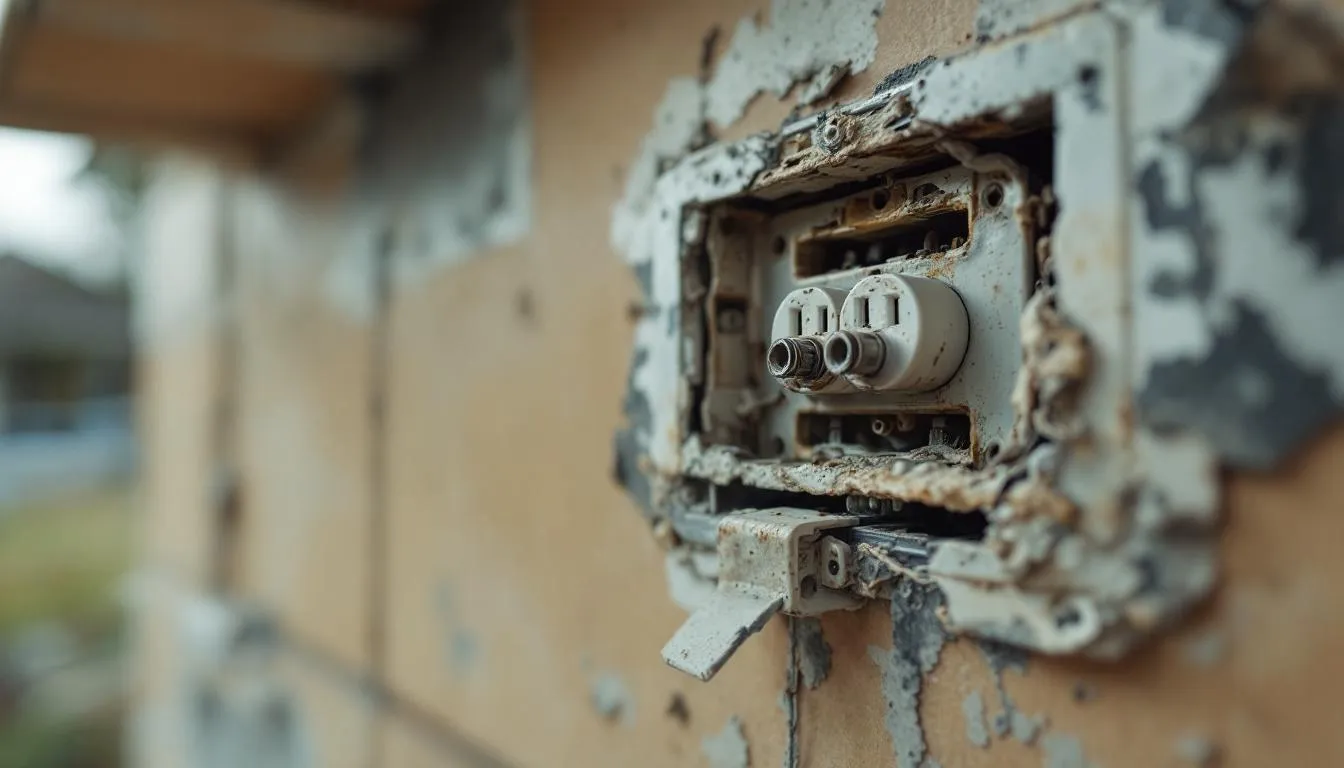
Telltale Signs
Warning Signs to Watch For
- Counter sections longer than 24 inches with no outlet present along the wall above
- Outlets above the countertop are standard duplex outlets without GFCI protection or test/reset buttons
- Tripped breakers when running multiple small appliances such as a coffee maker and toaster simultaneously
- Only one circuit breaker in the panel serves all countertop and island outlet locations in the kitchen
- Kitchen island has no outlet installed on the island surface or sides
Root Causes
What Causes Kitchen Electrical Outlets Not Meeting Code?
Pre-Code Wiring from Original Construction
Homes built in Austin before the 1978 NEC cycle typically have kitchens wired with a single 15-amp circuit shared between countertop and lighting loads, which met the standards of the era but falls far short of current requirements. When homeowners add modern appliances without upgrading the wiring, the single circuit is chronically overloaded, leading to nuisance tripping and potential overheating at outlets.
The Fix
Dedicated Small-Appliance Circuit Addition
Running two new dedicated 20-amp small-appliance branch circuits from the main panel to the kitchen countertop outlets — as required by NEC 210.11(C)(1) — with GFCI protection at the first outlet in each circuit provides the load capacity modern kitchens require and satisfies Austin's permit inspection requirements.
GFCI Protection Never Installed or Bypassed
GFCI protection for kitchen countertop receptacles has been required by the NEC since 1978, but many Austin homes were either built before that cycle, had GFCI devices fail and be replaced with standard outlets, or had wiring work done without permits that bypassed the requirement. In a kitchen where water, wet hands, and electrical appliances interact daily, the absence of GFCI protection creates a serious electrocution hazard.
The Fix
GFCI Outlet Installation and Circuit Testing
Replacing all countertop-area receptacles with GFCI outlets or protecting the circuit with a GFCI breaker at the panel, then testing each device for proper trip function, brings the kitchen into compliance with current NEC requirements and eliminates the shock hazard at countertop locations.
Missing Island or Peninsula Outlet
NEC 210.52(C)(2) requires outlets on kitchen islands and peninsulas with countertop areas exceeding 12 by 24 inches, but this requirement was not universally adopted until the 2014 NEC cycle, which Austin incorporated into its local amendments. Islands added during earlier Austin remodeling booms — particularly the wave of DIY projects common during the 2009–2012 period — frequently lack any outlet, leaving homeowners running extension cords across high-traffic floor areas.
The Fix
Island Outlet Installation via Conduit or Under-Slab Routing
Installing a code-compliant outlet on the island by routing conduit through the toe-kick base or, where the island is on a slab, using a listed in-floor box or surface-mounted conduit path provides accessible power without the hazard of cords crossing the kitchen floor.
Self-Diagnosis
Which Cause Applies to You?
Check the signs you're observing to narrow down the likely root cause before your inspection.
| What You're Seeing | Pre-Code Wiring from Original Construction | GFCI Protection Never Installed or Bypassed | Missing Island or Peninsula Outlet |
|---|---|---|---|
| Breaker trips when coffee maker and microwave run at the same time | |||
| Outlets above countertop have no test or reset button and are not downstream of a GFCI | |||
| Island countertop has no outlet on any face or surface | |||
| Only one breaker in the panel is labeled for kitchen outlets or receptacles | |||
| Extension cords are routed across the floor to power island appliances | |||
| Outlet near the sink shows no GFCI protection and is within 6 feet of the sink basin |
Free Inspection
Get a Diagnosis in Austin
An on-site inspection is the only way to confirm which cause applies to your property. Free, no obligation.
(737) 237-2363Free on-site inspection
Written estimate before work starts
Serving Austin & surrounding areas
Other Problems
Also Helpful